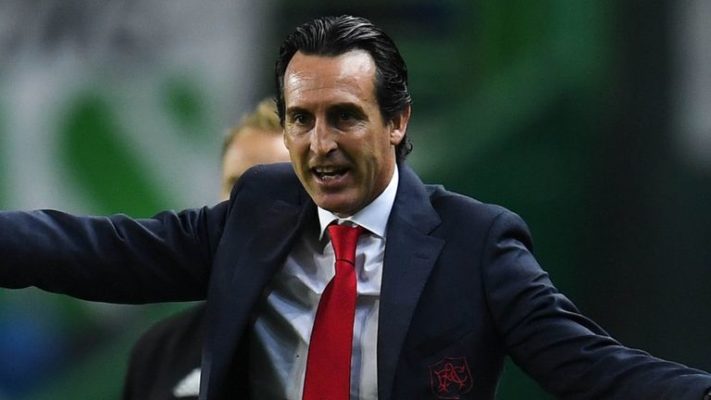

Transfer rumors, news: Real Madrid want Mourinho as next manager
The Santiago Bernabéu, a theater of dreams and often, a revolving door for managers, finds itself once again at the center of a familiar, yet electrifying, whisper: José Mourinho. Reports emanating from various Spanish and Portuguese outlets suggest that Florentino Pérez, the venerable Real Madrid president, is weighing up a sensational return for ‘The Special One’ as a potential successor to Carlo Ancelotti. It’s a rumor that, much like a classic tactical battle, never truly goes out of style.
From a purely tactical standpoint, Mourinho’s potential return presents a fascinating dichotomy. His first tenure, spanning 2010-2013, was characterised by a pragmatic, counter-attacking philosophy, often built on a solid defensive base and devastating transitions. He famously broke Barcelona’s dominance and delivered a record-breaking La Liga title. The question now, in 2026, is whether that blueprint still fits a Real Madrid squad bursting with generational attacking talent like Vinicius Jr., Rodrygo, and Jude Bellingham. Mourinho’s recent stints, particularly at Roma and now Fenerbahçe, have shown glimpses of his enduring ability to organise a defence and instil a winning mentality, but also his continued struggles to consistently implement a free-flowing, attacking style that the Bernabéu faithful demand.
Pérez’s alleged interest likely stems from Mourinho’s undeniable track record of winning and his strong personality, which commands respect and, crucially, total control. After Ancelotti’s masterful, yet somewhat serene, management style, Pérez might crave the fiery passion and tactical discipline that Mourinho brings. He’s a manager who isn’t afraid to make tough decisions, even if it means clashing with powerful figures or the press. This single-minded focus could be seen as a necessary evil to maintain Real Madrid’s elite status, especially as the global football landscape evolves rapidly towards the 2026 World Cup cycle.
The Tactical Fit and Potential Pitfalls
Integrating Mourinho’s philosophy with the current squad would be the ultimate challenge. Would he revert to a more defensive 4-2-3-1 or 4-3-3, prioritizing midfield solidity over attacking flair? How would he manage a creative powerhouse like Bellingham, who thrives on freedom, within a more structured system? The potential for friction, particularly with some of the younger stars accustomed to Ancelloti’s more paternalistic approach, is undeniable. Mourinho demands absolute commitment and tactical adherence, something not all modern players, especially those with immense individual talent, are always willing to give.
Moreover, player welfare in a packed schedule, often leading to injury crisis looms for key stars, is a constant concern for any top club. Mourinho’s high-intensity training and demanding style would need careful management to keep the squad fresh and avoid burnout, particularly with international commitments. While his tactical acumen is unquestionable, the sheer human element of managing a dressing room full of superstars over a sustained period, and keeping them motivated when results dip, has been a recurring issue in his later managerial career. A return to Real Madrid, for both parties, would be a high-stakes gamble, potentially yielding great reward or an equally spectacular implosion. It’s a narrative that keeps us all on the edge of our seats.