
France’s Hugo Ekitike suffered ruptured Achilles tendon, set to miss World Cup
In a development that sends a ripple of dismay through the global football fraternity, particularly within the French national setup, emerging forward Hugo Ekitike has tragically been ruled out of the upcoming World Cup. Reports from Germany, subsequently confirmed by sources close to the French Football Federation, indicate the 21-year-old suffered a complete rupture of his Achilles tendon during a recent training session with his club, Eintracht Frankfurt. This severe injury, one of the most debilitating in professional sports, immediately ends any hope Ekitike harbored of representing Les Bleus on the grandest stage, marking a profound personal setback.
A Career-Altering Setback for a Rising Star
Ekitike, who joined Eintracht Frankfurt permanently this summer after an initial loan spell from Paris Saint-Germain, was positioning himself as a compelling option for Didier Deschamps’ French squad. While not yet a senior international, his form in the Bundesliga and his prodigious talent had placed him firmly on the radar as a potential wildcard, offering a unique blend of physical prowess and technical ability up front. His transition from PSG, where he struggled to secure consistent minutes amidst a star-studded attack, to a prominent role in Germany, showcased his determination and growth. This injury, occurring at such a pivotal juncture, not only deprives him of a World Cup appearance but also casts a long shadow over the immediate trajectory of his burgeoning career.
The incident itself, a non-contact injury, highlights the brutal unpredictability inherent in elite-level sport. According to medical staff observations, Ekitike collapsed clutching his lower leg during routine drills, a tell-tale sign of an Achilles rupture. Such injuries are notoriously complex, demanding extensive surgical repair and a grueling rehabilitation period that typically spans six to nine months, often longer for full competitive readiness. For a young athlete whose game relies heavily on explosive power and acceleration, the road ahead is undoubtedly arduous.
Implications for Les Bleus’ World Cup Aspirations
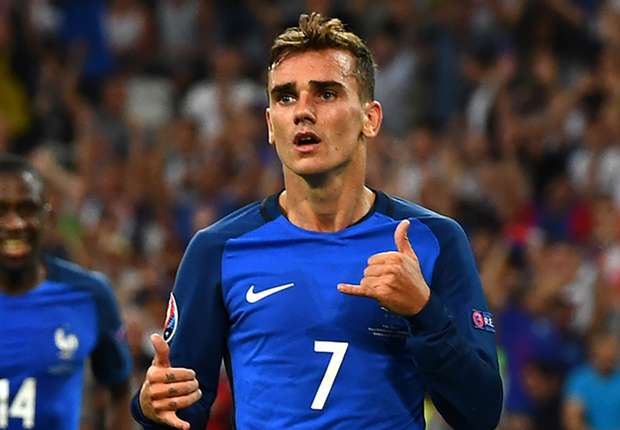
While Hugo Ekitike wasn’t a guaranteed starter for France, his absence represents a blow to the squad’s depth, particularly in the attacking third. Deschamps often values versatility and youth, and Ekitike provided both. His ability to operate across the front line offered tactical flexibility, and his aerial presence and hold-up play would have been valuable assets, especially in tight tournament matches. The French national team, already blessed with an embarrassment of attacking riches, including the likes of Kylian Mbappé, Olivier Giroud, and Antoine Griezmann, nonetheless loses a promising alternative that could have been impactful from the bench or in early group stage fixtures. One only needs to look at the continuous pressures facing high-profile French attackers to understand how every viable option counts.
This situation draws parallels to other pre-tournament injury crises that have plagued national teams in the past, forcing managers to make last-minute adjustments and rethink tactical paradigms. While Deschamps possesses ample talent to cover the void, the loss of any player, particularly one with Ekitike’s unique profile and potential, necessitates a re-evaluation of personnel and strategy. The collective hope now turns to the health of the remaining squad members as the tournament rapidly approaches.
The Long Road to Recovery
The psychological toll of an injury of this magnitude, particularly for a young player dreaming of a World Cup debut, cannot be overstated. Beyond the physical pain and extensive rehabilitation, the mental fortitude required to overcome such a significant setback is immense. Ekitike faces months of intensive physiotherapy, strength training, and gradual return-to-sport protocols. The aim will be not just to return to the pitch, but to regain the explosive power and confidence that define his playing style.
Medical statistics on Achilles ruptures in elite football suggest a high return-to-play rate, but a significant proportion of players experience a dip in performance initially. According to a study published in the American Journal of Sports Medicine, while over 80% of professional athletes return to competition after Achilles repair, a decrease in efficiency measures, such as sprint speed and jumping height, is sometimes observed in the immediate post-recovery period. For Ekitike, a player whose game relies on those very attributes, his recovery will be monitored with intense scrutiny. This unfortunate development is a stark reminder of the fragility of an athlete’s career and the fine line between triumph and tragedy.
The Broader Narrative of French Football
Ekitike’s injury, while individually devastating, also briefly shifts the narrative around the French national team. While the focus remains squarely on World Cup preparations, it underscores the depth and quality present in French youth development programs. Ekitike is but one of many exciting prospects emerging from France, a testament to the nation’s robust footballing infrastructure. His talent will be missed, but the depth of the French player pool ensures that Deschamps will still field a formidable squad, albeit one without the promising young forward.
All told, Hugo Ekitike’s ruptured Achilles is a somber note in the prelude to what promises to be an enthralling World Cup. His focus must now shift entirely to recovery, with the hope that he returns stronger, and with future international opportunities awaiting him. The footballing world wishes him a full and swift rehabilitation.