
Italy rejects ‘shameful’ idea to replace Iran at WC
In the often-turbulent world of international football, proposals emerge that truly test the boundaries of sporting principle and established governance. One such notion, recently floated amidst growing geopolitical tensions and human rights concerns, was the idea of replacing Iran at the upcoming FIFA World Cup in Qatar. Italy, a nation with its own recent, bitter experience of World Cup exclusion, wasted no time in firmly rejecting what its football federation president, Gabriele Gravina, branded a “shameful” and utterly unworkable concept.
From a tactical and procedural standpoint, Gravina’s swift condemnation is entirely justifiable. The suggestion, reportedly emanating from certain activist groups and commentators keen to leverage football’s global platform for political messaging regarding events in Iran, would have been a catastrophic breach of every sporting norm. While the underlying concerns regarding human rights in Iran, particularly the plight of women and ongoing protests, are undeniably serious and deserve international attention, the football pitch is not the place for such an ad-hoc, politically motivated substitution.
The Sporting Integrity at Stake
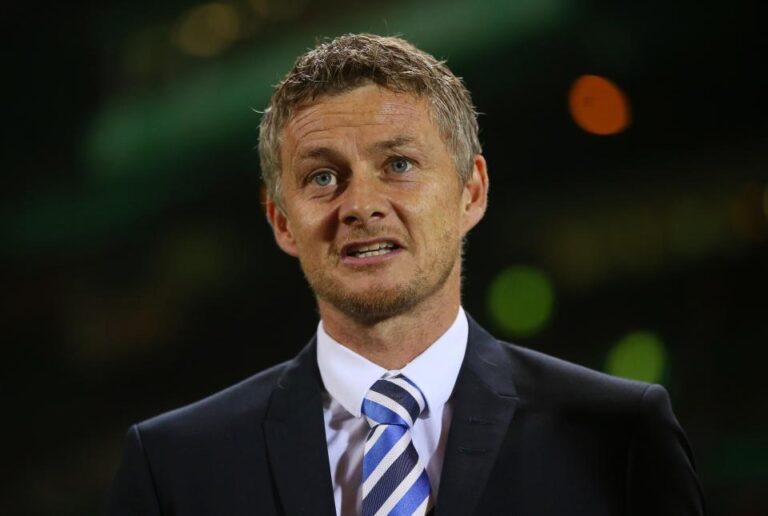
Gravina articulated the FIGC’s (Italian Football Federation) position with clarity, stating, “This idea, which I find shameful, would be a clear violation of rules and regulations. We are custodians of sporting prinpcle.” This isn’t merely a bureaucratic quibble; it’s a defense of the very framework that allows international competitions to function. Qualification for a World Cup is a grueling, multi-year process involving dozens of nations, thousands of players, and immense financial and logistical investment. To unilaterally remove a qualified nation and parachute another in, especially one that failed to qualify on merit, would set a perilous precedent.
Consider the logistical nightmare: a team, like Italy who unfortunately failed to qualify through the UEFA play-offs, would be expected to assemble a squad, prepare tactically, and integrate new players on literally a few weeks’ notice. This is not how elite sport operates. Any coach, any technical director, would tell you this is an impossibility for competitive performance at the highest level. It would devalue the entire tournament, making a mockery of the efforts of teams who legitimately earned their place.
A Dangerous Precedent for FIFA and World Football
Beyond the immediate impracticalities, the long-term implications for FIFA and global football governance are even more concerning. If a nation can be removed from a tournament due to political pressure, where does it end? Which nation’s political situation is deemed problematic enough to warrant exclusion? What happens to the integrity of qualification campaigns? It would open a Pandora’s Box of political interference, fundamentally eroding the autonomous nature of sport that FIFA, for all its controversies, strives to uphold.
Gravina’s stance resonates strongly within the European football community, where there’s a deep-seated appreciation for rules and structures. As some reports from various European outlets highlighted, there’s a broad consensus that while football can and should be a platform for positive social change, its core competitive structure must be protected from arbitrary political interventions that lack clear, established protocols. FIFA does have mechanisms for suspending federations for governmental interference or severe human rights breaches, but these are typically lengthy processes, not last-minute swaps before a major tournament.
Italy’s Unwavering Commitment Despite Their Own Disappointment
It’s particularly noteworthy that this rejection comes from Italy, a four-time World Cup winner who will, for the second consecutive time, be conspicuously absent from the global showpiece. Despite their own recent World Cup heartbreak, missing out on qualification, the FIGC has not allowed that disappointment to cloud its judgment or compromise its commitment to sporting ethics. There was no opportunism here, no attempt to back-door their way into the tournament. Instead, there was a principled stand.
In a world increasingly looking to sport for moral leadership, Italy’s position is a crucial reminder that rules, however imperfect, provide necessary stability. While the political and social issues that sparked this discussion are vital, undermining the foundational principles of competition is not the solution. Gravina and the FIGC have correctly identified that the integrity of the game must be paramount, and any other approach would ultimately diminish the sport we all cherish.