
Arteta tells Arsenal fans to enjoy, not criticize
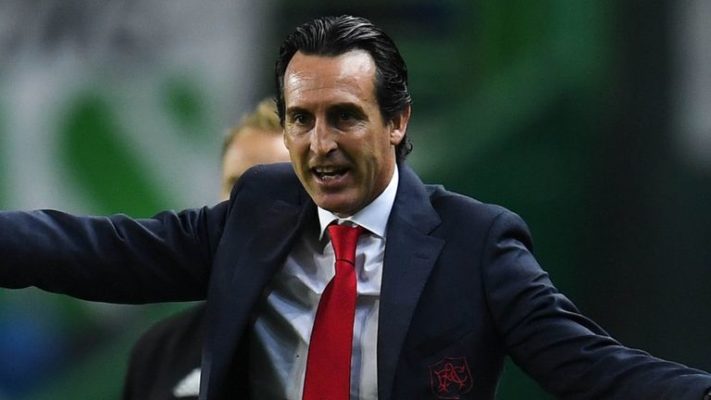
In the high-octane theatre of the Premier League, where every touch, every pass, and every managerial decision is dissected with forensic intensity, Mikel Arteta’s recent plea to Arsenal fans resonated deeply. “Enjoy the moment,” he urged, “support the players, support the team, and let’s go for it.” It’s a message that transcends mere public relations; it speaks to the very soul of modern football, the fragile balance between aspiration and expectation, and the psychological burden placed upon those striving for excellence.
From a tactical perspective, Arteta’s Arsenal is a fascinating case study in controlled evolution. We’ve seen a clear philosophical shift since his arrival, transitioning from a team often accused of lacking identity to one with a distinct, intricate playing style. The emphasis on aggressive pressing, fluid positional interchanges, and patient build-up play, often spearheaded by the likes of Martin Ødegaard and Declan Rice, has transformed them into genuine title contenders. The defensive solidity, anchored by William Saliba and Gabriel, alongside the dynamic full-back play, demonstrates a cohesive unit that understands its roles implicitly. This isn’t accidental; its the meticulous work of a manager who demands absolute commitment to his system. As we explored in our recent analysis on Declan Rice’s tactical impact, the former West Ham captain’s arrival has provided an additional layer of control and progression that was previously missing, elevating the entire midfield.
Yet, despite undeniable progress – two consecutive seasons pushing for the title, a return to Champions League football – a segment of the fanbase remains tethered to a cycle of apprehension and, at times, outright negativity. This isn’t unique to Arsenal; it’s a symptom of football’s hyper-accelerated environment, where instant gratification is demanded, and past glories (or near-misses) cast long shadows. For Arsenal, the specter of the ‘Invincibles’ and the later Wenger years, where beauty often prevailed but silverware became scarcer, shapes a unique narrative. Fans who have witnessed these highs inevitably measure the present against an almost unattainable past.
The Psychology of Expectation and Performance
Arteta’s message is, fundamentally, a psychological gambit. He’s acutely aware of the pressure cooker environment. Constant criticism, even if well-intentioned, can seep into the dressing room, affecting player confidence and cohesion. When a team is fighting on multiple fronts, making small errors under intense scrutiny, the last thing they need is to feel that their own supporters are waiting for them to stumble. “We need our fans to enjoy,” Arteta was quoted as saying by Sky Sports after a crucial victory, “to transmit that energy to the players.” This isn’t just about morale; it’s about creating an atmosphere conducive to peak performance, where risk-taking is encouraged, and mistakes are seen as part of the learning process, not unforgivable transgressions.
Consider the razor-thin margins in the Premier League. The difference between winning the title and finishing second can often come down to a single moment, a referee’s decision, or a momentary lapse in concentration. In such a high-stakes scenario, the mental fortitude of the players, bolstered by unwavering fan support, becomes a tangible asset. Conversely, palpable anxiety from the stands can create a self-fulfilling prophecy of nervousness and underperformance. The manager understands that sustained success isn’t just built on tactics and talent; it’s forged in a collective belief that includes the stands, the dugout, and the pitch.
Beyond the Pitch: A Cultural Shift
Arteta is attempting to instill more than just a playing philosophy; he’s fostering a cultural shift. He wants the club, from top to bottom, to embrace the journey, celebrate the incremental improvements, and trust the process. This doesn’t mean blind acceptance; legitimate tactical discussions and analyses are vital for a healthy football discourse. However, there’s a distinct difference between constructive critique and incessant negativity that undermines the very fabric of collective effort.
The message “enjoy, not criticize” is a call to arms for unity. It’s an acknowledgement of the incredible progress made and an appeal to appreciate the present, rather than dwelling on past disappointments or fearing future setbacks. For a team teetering on the precipice of greatness, that collective enjoyment and belief might just be the extra gear they need to finally cross the finish line.