
Protecting Liverpool’s Image of Off-Field Concerns
In the high-stakes theatre of modern football, where billions of eyes scrutinise every pass, tackle, and tactical tweak, the battle for supremacy extends far beyond the ninety minutes on the pitch. For a club with the global stature and rich history of Liverpool FC, managing the narrative and protecting its venerable image from off-field concerns has become as critical as securing three points. The clubs image, forged over generations of triumphs, tragedies, and unwavering loyalty, is a priceless asset, vulnerable to missteps in an unforgiving, hyper-connected world.
Liverpool is not just a football team; it’s a cultural institution, a global brand built on principles of community, hard work, and a distinct style of play often dubbed ‘The Liverpool Way.’ From the foundational work of Bill Shankly to the European conquests under Bob Paisley and the modern renaissance orchestrated by Jürgen Klopp, the club’s identity has been meticulously crafted. This identity, however, is a fragile ecosystem. One ill-judged social media post, a poorly managed crisis, or a lapse in player conduct can chip away at the edifice years in the making. The challenge for Fenway Sports Group (FSG) and the club’s leadership is to build an impenetrable shield around this legacy, ensuring that the off-field narrative consistently reinforces, rather than undermines, the Anfield spirit.
The Modern Landscape: A Scrutiny Amplifier
Gone are the days when player indiscretions could be confined to local tabloids or hushed whispers. The advent of social media, 24/7 news cycles, and the pervasive nature of fan-generated content mean that every action, no matter how minor, can be amplified globally within minutes. A single controversial tweet from a player, a public disagreement with management, or even perceived unethical behaviour by the club’s hierarchy can quickly spiral into a full-blown reputational crisis. This unprecedented level of scrutiny demands a proactive, sophisticated approach to image management.
Take, for instance, the Super League debacle. While Liverpool was far from the sole perpetrator, its involvement, however fleeting, sparked a ferocious backlash from its own supporters and the wider football community. The swift condemnation from fan groups and former players highlighted just how deeply intertwined the club’s image is with its historical values and community spirit. It was a stark reminder that even powerful ownership groups must respect the emotional capital invested by the fanbase. As was widely reported by outlets like The Guardian and BBC Sport at the time, the fallout demonstrated the immense power of collective fan sentiment in holding clubs accountable.
Key Areas of Off-Field Vulnerability
Protecting Liverpool’s image requires vigilance across several critical domains:
Player Conduct and Personal Brands
Players are no longer just athletes; they are public figures with individual brands, often commanding millions of followers on social media. Their personal lives, opinions, and associations are constantly under the microscope. Incidents involving gambling, illicit substances, disrespectful behaviour, or even perceived poor sportsmanship can directly impact the club’s standing. Liverpool has historically prided itself on signing not just talented footballers, but good characters. However, maintaining that standard requires continuous education and reinforcement of club values, ensuring players understand the weight of the crest they wear.
Furthermore, internal disciplinary processes must be robust and transparent. When a player makes a mistake, the club’s response — whether it’s a public apology, a fine, or rehabilitation support — is scrutinised. A perceived lack of accountability can damage both the player’s and the club’s reputation. This also extends to how players represent themselves outside of official duties, understanding that they are always, to some extent, ambassadors for Liverpool Football Club.
Club Governance and Ethical Operations
The decisions made by the club’s leadership, from transfers and commercial deals to community outreach and financial fair play compliance, significantly shape its public image. Allegations of unethical practices, exploitative commercial partnerships, or a disregard for fan welfare can erode trust and alienate the fanbase. Liverpool’s strong connection to its community and its global charity work, such as the LFC Foundation, are vital counterbalances, demonstrating a commitment to broader societal well-being. Any perceived straying from these core principles risks long-term damage.
Fan Behaviour and Stadium Atmosphere
While the vast majority of Liverpool supporters are exemplary, isolated incidents of racism, homophobia, sectarian chanting, or other forms of discrimination by a minority can cast a dark shadow over the entire fanbase and, by extension, the club. Liverpool has a strong track record of condemning such behaviour and actively working with fan groups and authorities to eradicate it. However, the club must remain proactive, educating fans, enforcing strict codes of conduct, and supporting initiatives that promote inclusivity. The Anfield atmosphere is legendary, but it must be one of respect and welcome for all.
Sponsorships and Commercial Partnerships
In an increasingly commercialised sport, aligning with the right sponsors is paramount. While financial gain is important, partnering with companies whose ethics or activities are questionable can lead to severe reputational damage. Due diligence is crucial. Liverpool needs to ensure its commercial partners reflect the club’s values and do not present a risk of association with controversies, whether environmental, social, or political. The message conveyed by who the club chooses to partner with says a great deal about its own corporate identity.
Proactive Strategies for Image Protection
So, how does Liverpool maintain its sheen in this relentless environment? It requires a multi-faceted, proactive strategy:
- Robust Player Education and Support: Beyond tactical training, players must recieve comprehensive media training, social media guidelines, and ongoing education about the club’s history, values, and community responsibilities. Mental health support and guidance on navigating fame are also crucial.
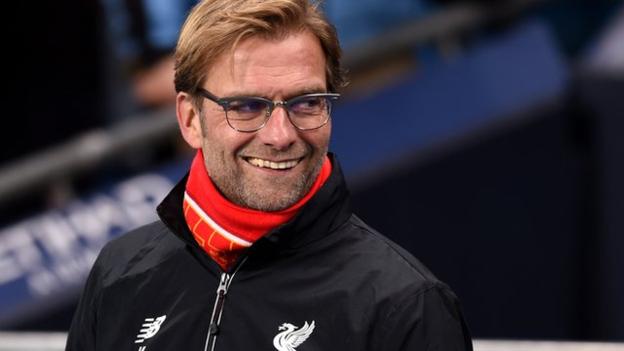
- Strong Leadership and Communication: The tone is set from the top. Leaders like Jürgen Klopp have been exemplary in embodying the club’s spirit and communicating openly, even during challenging times. Transparent communication during crises is vital to prevent speculation and control the narrative.
- Deep Community Engagement: Continuously reinforcing roots through the LFC Foundation and local initiatives strengthens the bond with the community, providing a moral compass and a wellspring of goodwill that can absorb minor shocks.
- Proactive Crisis Management: Having a clear, well-rehearsed plan for handling various types of crises – from player controversies to major structural challenges – ensures a swift, coordinated, and effective response, minimising damage. This includes designated spokespeople and clear communication channels.
- Ethical Vetting of Partnerships: Rigorous scrutiny of potential commercial partners to ensure alignment with the club’s values and a commitment to ethical practices.
The Stakes: Financial and Emotional
The stakes are incredibly high. A tarnished image can deter potential signings, make it harder to attract top-tier commercial partners, and even alienate segments of the global fanbase. The emotional investment of supporters is immense, and any perceived betrayal of the club’s values can have lasting repercussions on attendance, merchandise sales, and overall loyalty. The modern fan doesn’t just support the team; they support the ideals it represents, and if those ideals appear compromised, the connection weakens.
Protecting Liverpool’s image from off-field concerns is not merely a public relations exercise; it’s a fundamental aspect of safeguarding the club’s very soul and securing its future prosperity. It’s an ongoing, complex challenge that demands constant vigilance, ethical leadership, and a deep understanding of the club’s unique place in the world. For Liverpool, the work never stops, on or off the pitch, and ensuring the continued integrity of its global brand remains a perpetual mission.