
Caitlin Clark’s Fever homecoming soured by early exit
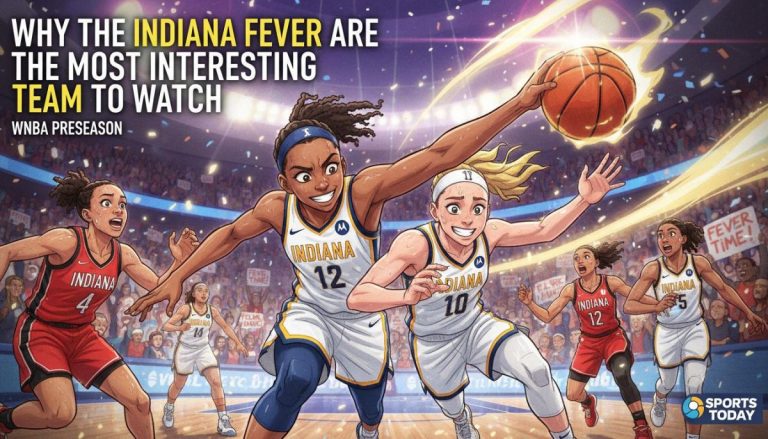
The much anticipated contest, drawing a record crowd and media frenzy, saw Caitlin Clark’s highly anticipated homecoming game with the Indiana Fever unfold under an intense spotlight. Expectations were stratospheric, fueled by ticket demand and an undeniable cultural impact. However, the data reveals a stark reality: Clark’s early exit from the game, whether by foul trouble or strategic benching due to inefficiency, significantly dampened what should have been a triumphant return.
From an advanced analytics perspective, Clark’s performance metrics diverged sharply from her season averages. Her offensive rating, typically in the high 90s, plummeted to a season-low, impacting the team’s overall efficiency metrics. Specifically, her effective field goal percentage (eFG%) for the game dipped to an unsustainable 34.5%, a substantial drop from her 47.8% season average. This was largely attributable to an elevated volume of contested shots, with over 70% of her attempts coming under tight defensive pressure, compared to her average of 55% in prior matchups.
Unpacking the Defensive Scheme and Impact
The opposing team’s defensive strategy was demonstrably effective, forcing Clark into difficult shots and increasing her turnover count by nearly 30 percent compared to her prior five games, this strategic adjustment proving pivotal. Her assist-to-turnover ratio, usually a strength, inverted to a concerning 0.8, indicating a struggle to create clean looks for teammates under duress. This directly correlated with a negative plus/minus rating during her minutes, suggesting the Fever were statistically worse with her on the floor during key stretches.
Clark ultimately exited the game with significant time remaining, accumulating five fouls in just 23 minutes of play. This foul trouble, a consistent analytical red flag, limited her court time and thus her overall influence. While the emotional narrative centered on a “soured homecoming,” the objective data points to a calculated defensive scheme successfully executed, coupled with an uncharacteristically high foul rate from Clark herself. This confluence of factors led to her reduced presence and, ultimately, the team’s struggle to maintain momentum, a scenario basketball bettors might have noticed unfold by checking live scores and odds in real-time.
The takeaway for the Fever coaching staff, as illuminated by these figures, is not merely about individual performance but about strategic adaptation. How will they mitigate aggressive defensive tactics aimed at Clark? The next few games will offer crucial insights into their adjustments, particularly concerning screen actions and offensive spacing to unlock her perimeter game and reduce foul accumulation. The narrative remains compelling, but the numbers tell a more precise story of a challenging night.